Why Community College

Learn all about community college and whether it is the right choice for your academic career. We'll cover the history of community colleges, the latest trends and issues, and the top degree-producing schools. Find out why students are turning to community colleges, see what issues affect campuses with such a diverse student body, and get information on the latest trends in degree offerings.

View the most popular articles in Why Community College:

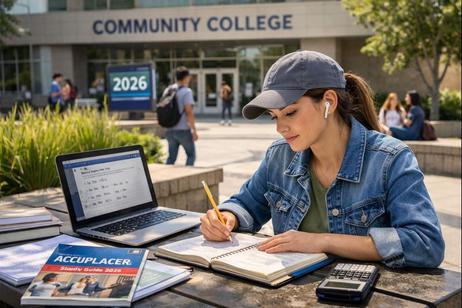
Preparing for Placement Tests in 2026: Student Guide

Updated
Preparing for Placement Tests in 2026: Student Guide
Preparing for Placement Tests in 2026, what students, parents, and educators need to know about formats, prep strategies, and placement changes.

Preparing for Placement Tests in 2026: What Students Need to Know

Preparing for Placement Tests in 2026 has become a central concern for students entering community colleges across the United States. As placement testing continues to evolve, students, parents, and educators must understand how placement tests work in 2026, what has changed in recent years, and how students can prepare effectively. Preparing for Placement Tests in 2026 is no longer just about test-taking skills; it now involves academic history, advising, and multiple measures that reflect a student’s broader readiness for college-level work.

Community colleges increasingly rely on placement systems designed to support student success, reduce unnecessary remediation, and accelerate progress toward degrees and certificates. Preparing for Placement Tests in 2026 requires awareness of these trends, along with practical strategies that help students start college on the right academic path.

What Are Placement Tests and Why They Matter in 2026

Placement tests help colleges determine the appropriate starting level for students in math, English, and sometimes reading or English as a Second Language. Preparing for Placement Tests in 2026 is important because placement decisions affect course selection, time to graduation, and overall college costs.

Most community colleges use placement tools to answer key questions:

• Is a student ready for college-level math and English
• Does a student need additional academic support
• Which courses best match a student’s skills and goals

Preparing for Placement Tests in 2026 is particularly important because misplacement can
. . .read more

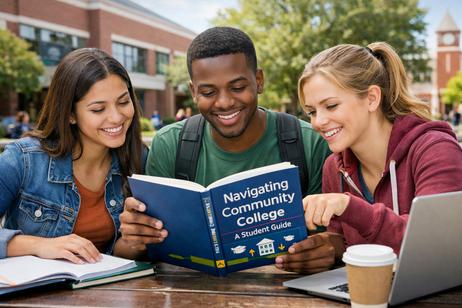
New Guidebook Helps Students Navigate Community College

Updated
|
New Guidebook Helps Students Navigate Community College
A new guidebook offers practical strategies to help students and families succeed in community college, from admissions to transfer and career planning.

New Guidebook Helps Students Successfully Navigate Community College

Community college remains one of the most important and complex entry points to higher education in the United States. Nearly half of all undergraduates begin their academic journey at a community college, attracted by affordability, flexible scheduling, and diverse academic pathways. Yet for many students and families, community college can feel confusing and fragmented, with unclear expectations around advising, transfer, and career outcomes.

A newly released guidebook aims to address those challenges head-on. Designed for students, parents, educators, and policymakers, the guidebook provides a clear roadmap for navigating community college from enrollment through completion. It reflects current realities in community college education in 2025, incorporating updated policies, research, and real-world examples that reflect how community college students actually learn and progress today.

Why Community College Navigation Matters More Than Ever

Community college students today are more diverse than at any point in history. According to recent U.S. Department of Education reporting, community college enrollment includes a higher share of first-generation students, working adults, student parents, and learners returning after time away from school. Many community college students attend part time, balance employment, or rely on public benefits while enrolled.

At the same time, community college systems have become more complex. Students must choose among academic transfer programs, career and technical education pathways, short-term credentials, and dual enrollment options. Without clear guidance, students can lose time, financial aid eligibility, or momentum.

The guidebook responds

. . .read more

Future of Community College Education 2025

Updated
|
Future of Community College Education 2025
Key trends shaping community college education in 2025, including enrollment, workforce alignment, AI adoption, cost, and equity.

Future of Community College Education: Trends to Watch in 2025

Community colleges remain a cornerstone of the U.S. postsecondary education system in 2025, providing accessible pathways to careers, transfer opportunities to four-year institutions, and flexible learning options for students of all ages. As the sector continues to evolve in response to demographic shifts, labor market demands, technological change, and shifting policy landscapes, families, students, educators, and policymakers must understand the forces shaping two-year colleges. This updated article examines the most important trends in community college education in 2025 and what they mean for access, affordability, and outcomes.

Enrollment Patterns: Growth and Demographic Shifts

One of the most significant developments in 2025 is the stabilization and growth in community college enrollment after years of fluctuation. Preliminary data from the National Student Clearinghouse Research Center indicate that total undergraduate enrollment grew in fall 2025, with community colleges leading with larger increases than other postsecondary sectors.

Community colleges continued to attract a diverse mix of learners. Younger students, including recent high school graduates and dual-enrolled students, account for a meaningful share of enrollment gains. Dual enrollment, where high school students take college courses for credit, contributes significantly to head counts in many states, with early estimates showing that high school students represent a large portion of total community college enrollment.

At the same time, adult learners remain a key constituency. Programs like New York’s SUNY Reconnect, which offers free tuition to adults without bachelor’s degrees,

. . .read more

International Students & Community Colleges January Intake Guide

Updated
|
International Students & Community Colleges January Intake Guide
Learn how international students can apply to U.S. community colleges for the January intake, including timelines, visas, costs, and tips.

International Students & Community Colleges: How to Apply for January Intake

For many international students, U.S. community colleges offer an affordable, flexible, and accessible pathway to higher education. While most students are familiar with fall admissions, the international students community colleges January intake has become an increasingly popular option. This mid-year start allows students to avoid long waits, align studies with home-country academic calendars, and begin earning U.S. credits sooner.

This guide explains how the international students community colleges January intake works, who it benefits, and how to apply successfully. Parents, students, and counselors will find practical timelines, requirements, and expert insights to support informed decision-making.

Why Community Colleges Attract International Students

Community colleges enroll more than one million international students each year and play a critical role in the U.S. higher education system. Their appeal is especially strong for those exploring the international students community colleges January intake.

Key advantages include:

  • Lower tuition and living costs compared to four-year institutions

  • Flexible admissions standards

  • Smaller class sizes and academic support services

  • Transfer pathways to universities after one or two years

For many families, the international students community colleges January intake represents a cost-effective and lower-risk entry point into American higher education.

What Is the January Intake?

The January intake, sometimes called the spring intake, allows

. . .read more

How Community Colleges Support First-Generation Students

Updated
|
How Community Colleges Support First-Generation Students
A detailed look at how community colleges help first-generation students thrive through academic, financial, and wraparound support.

How Community Colleges Support First-Generation Students

Community colleges have long played a crucial role in expanding access to higher education. In 2025, their mission is even more urgent as more first-generation students seek affordable, flexible pathways to degrees and careers. These institutions understand that first-generation students arrive with determination, but often without the academic, financial, and cultural knowledge that many continuing-generation learners take for granted.

This article examines how community colleges support first-generation students through targeted services, structured guidance, and inclusive programming. It also explains how parents and educators can help first-generation students navigate the transition to college.

To align with search intent and transparency, this article includes links to authoritative resources such as Community College Review, Public School Review, and College Scorecard.

Why Support for First-Generation Students Matters

First-generation students often balance school with work and family responsibilities. They may be unfamiliar with financial aid processes, course sequencing, or available campus resources. Community colleges recognize these needs and build systems that allow first-generation students to persist from their first semester to graduation.

Common challenges for first-generation students include:

  • Limited exposure to higher education vocabulary, expectations, and norms

  • Difficulty navigating academic bureaucracy, including placement, advising, and registration

  • Financial pressures requiring part-time enrollment

  • Limited family support in academic decision making

. . .read more

Recent Articles

The Benefits of Community College Clubs in 2026
Discover how community college clubs boost success, skills, and connections for students in 2026.
What Is a Community College? 2026 Guide for Students
Learn what a community college is, how it works, costs, programs, and benefits in this updated 2026 guide for students and families.
What GPA Do You Need to Transfer to a University?
Learn the GPA needed to transfer from community college to a university, including requirements for top schools and tips to strengthen your application.

Why Community College

OVERVIEW
What is a community college and why are more students turning to them? Who are some of the most famous community college graduates? Here you’ll find the answers to these questions and more.
TRENDS AND CURRENT ISSUES
Get information on the latest trends and issues affecting community colleges today. Explore the impact of community colleges on the global economy, get information on how community colleges have changed over the years, and see how the latest technologies are being employed on campus.
STUDENT POPULATIONS
Attracting students from all walks of like, community college campuses are rich with diversity. This section covers a myriad of issues relating to student populations. Learn more about LGBT support on community college campuses, explore adult-friendly degree programmers and, see what resources are available to veterans.
ENROLLMENT & ADMISSIONS
We provide a comprehensive look into some of the most important issues affecting enrollment and admissions. Get the latest news on declining enrollment across the country and the impact it has. Learn more about the latest trends in admissions requirements from vaccinations to placement tests. Find expert advice on what to expect your first year, and lean more about the pitfalls to avoid.