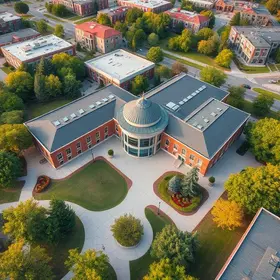
Community colleges have long served as an accessible gateway to higher education, but in 2026, their role has become even more critical. Rising tuition costs, evolving workforce demands, and the need for flexible learning pathways have positioned community colleges at the center of the American education system.
For students and families navigating an increasingly complex educational landscape, community colleges offer a practical, affordable, and adaptable solution. From career training to university transfer pathways, these institutions are meeting needs that traditional four-year colleges often cannot.
The Rising Value of Community Colleges
The importance of community colleges is closely tied to broader economic and social shifts. Over the past decade, the cost of higher education has continued to climb, prompting many families to reconsider traditional pathways. According to the National Center for Education Statistics, average tuition at four-year institutions has steadily increased, while community colleges remain significantly more affordable.
At the same time, employers are placing greater emphasis on skills, certifications, and workforce readiness. Community colleges are uniquely positioned to respond quickly to these demands.
Key Reasons for Their Growing Importance
- Lower tuition and reduced student debt
- Flexible scheduling, including online and hybrid options
- Strong alignment with local workforce needs
- Transfer agreements with four-year universities
- Support services for diverse student populations
For a deeper look at affordability trends, explore community college tuition statistics.
Affordability in an Era of Rising Costs
One of the most compelling reasons community colleges are more important than ever is cost. In 2026, student debt remains a major concern for families across the country.
Community colleges offer a practical alternative:
| Education Path | Average Annual Tuition | Typical Outcome |
|---|---|---|
| Community College | $3,500–$5,000 | Associate degree or transfer |
| Public 4-Year University | $10,000–$25,000 | Bachelor’s degree |
| Private University | $30,000+ | Bachelor’s degree |
By starting at a community college, students can complete general education requirements at a fraction of the cost before transferring to a four-year institution. This pathway significantly reduces overall student debt.
Many states have also expanded “free community college” programs. Initiatives in states like California, Tennessee, and New York continue to broaden access, making community college a financially viable starting point for millions.
Workforce Training and Career Readiness
Community colleges are not just a stepping stone, they are a direct pipeline to employment. In 2026, industries such as healthcare, information technology, advanced manufacturing, and renewable energy rely heavily on community college graduates.
Programs are often developed in partnership with local employers, ensuring that students gain relevant, job-ready skills.
High-Demand Career Programs
- Nursing and allied health fields
- Cybersecurity and IT support
- Skilled trades such as welding and electrical work
- Green energy and sustainability technologies
- Business and logistics management
The U.S. Bureau of Labor Statistics continues to project strong growth in many of these sectors, reinforcing the importance of short-term, skills-based education.
Unlike traditional academic programs, many community college certificates can be completed in one to two years, allowing students to enter the workforce quickly.
Flexibility for Modern Learners
Today’s students are more diverse than ever. Many are balancing education with work, family responsibilities, or career transitions. Community colleges are designed with this reality in mind.
Flexible Learning Options
- Evening and weekend classes
- Fully online degree programs
- Hybrid learning formats
- Part-time enrollment options
This flexibility is particularly valuable for adult learners and returning students. According to EducationData.org, nearly 40 percent of community college students are over the age of 25.
For guidance on choosing the right program, visit how to choose a community college.
Transfer Pathways to Four-Year Degrees
Community colleges play a vital role in making bachelor’s degrees more accessible. Many institutions have established articulation agreements with universities, allowing students to transfer credits seamlessly.
These partnerships ensure that students who begin at a community college can complete their degree at a four-year institution without losing time or money.
Benefits of Starting at a Community College
- Lower overall cost of a bachelor’s degree
- Smaller class sizes during foundational courses
- Academic support and advising
- Opportunity to improve grades before transferring
Research from the American Association of Community Colleges shows that millions of students successfully transfer each year, highlighting the effectiveness of this pathway.
Supporting Underserved and First-Generation Students
Community colleges are often the first point of entry into higher education for underserved populations, including first-generation college students, low-income families, and immigrant communities.
These institutions provide critical support services, including:
- Academic advising and tutoring
- Financial aid guidance
- Career counseling
- English language support programs
This inclusive approach helps bridge equity gaps in education. In many regions, community colleges are the most accessible and welcoming option for students who might otherwise be excluded from higher education.
Learn more about access and diversity trends in community college demographics.
Rapid Response to Economic Change
Another reason community colleges are more important than ever is their ability to adapt quickly. When industries evolve or economic disruptions occur, these institutions can develop new programs in a matter of months.
Recent examples include:
- Expansion of healthcare training programs during public health crises
- Growth in cybersecurity certifications amid rising digital threats
- Development of clean energy training in response to climate initiatives
This responsiveness ensures that students are learning skills that are immediately relevant in the job market.
Technology and Innovation in 2026
Community colleges are increasingly embracing technology to enhance learning and improve outcomes.
Emerging Trends
- AI-assisted tutoring and personalized learning platforms
- Virtual labs for science and technical programs
- Expanded online degree offerings
- Partnerships with tech companies for certification programs
These innovations make education more accessible while maintaining quality and rigor.
Community Colleges and Local Economies
Community colleges are deeply connected to their local communities. They serve as economic engines, providing training that aligns with regional workforce needs.
Employers often collaborate directly with colleges to design curricula, offer internships, and hire graduates. This relationship strengthens local economies and creates a steady pipeline of skilled workers.
In rural and underserved areas, community colleges may be the only higher education institution available, making their role even more essential.
Challenges and Opportunities Ahead
Despite their many strengths, community colleges face ongoing challenges:
- Funding constraints
- Student retention and completion rates
- Balancing academic and workforce missions
However, these challenges also present opportunities. Increased federal and state investment, along with growing recognition of their value, is helping community colleges expand and innovate.
In 2026, policymakers and educators are increasingly focused on strengthening these institutions as a cornerstone of the education system.
Frequently Asked Questions
Are community colleges a good choice in 2026?
Yes. They offer affordable tuition, flexible learning options, and strong career outcomes, making them a practical choice for many students.
Can you transfer from a community college to a university?
Absolutely. Many community colleges have transfer agreements that make it easier to continue toward a bachelor’s degree.
Do employers respect community college degrees?
Yes. Employers value the practical skills and training that community college graduates bring, especially in technical and high-demand fields.
How long does it take to complete a community college program?
Most associate degrees take two years, while certificate programs can often be completed in less than a year.
Conclusion: Why Community Colleges Are More Important Than Ever
In today’s rapidly changing educational and economic landscape, community colleges are more important than ever. They provide an affordable, flexible, and career-focused pathway that meets the needs of modern students.
Whether serving as a starting point for a four-year degree or a direct route to employment, community colleges continue to expand access to education and opportunity. As costs rise and workforce demands evolve, their role will only become more central in the years ahead.
For families, students, and educators seeking practical, forward-thinking solutions, community colleges remain one of the most valuable options in higher education today.