This article has been updated to reflect 2026 data and recent developments.
Community college grants remain one of the most effective ways to reduce or eliminate the cost of higher education. Unlike loans, grants do not need to be repaid, making them especially valuable for students seeking affordable pathways to degrees or certificates.
In 2026, grant funding continues to evolve, with expanded eligibility discussions, increased federal investment, and new workforce-focused initiatives shaping how students pay for community college.
What Are Community College Grants?
Community college grants are need-based or merit-based financial aid awards that help cover tuition, fees, and sometimes living expenses.
They typically come from:
- Federal government programs
- State education agencies
- Colleges themselves
- Private organizations and nonprofits
Most students begin by completing the FAFSA, which determines eligibility for federal and many state grants.
Federal Grants for Community College Students
Pell Grants (Largest Source of Aid)
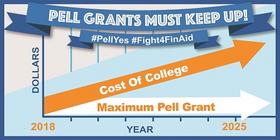
The Federal Pell Grant remains the cornerstone of community college funding.
- Maximum award (2025–2026): up to $7,395 annually
- Over $33 billion distributed to more than 6.3 million students in 2024
- Roughly 25% of all community college students receive Pell Grants
Pell Grants are awarded based on financial need, household income, and enrollment status.
Community colleges serve a high proportion of low-income students, which is why these institutions receive a significant share of Pell funding. About 1.6 million community college students receive Pell Grants annually.
👉 Learn more about affordability in our guide to https://www.communitycollegereview.com/avg-tuition-stats/national-data
Federal Supplemental Educational Opportunity Grants (FSEOG)
FSEOG provides additional