Community College News

Stay abreast of all the news and reports impacting community colleges. This section covers the latest news stories, from campus protests to Wal-Mart partnerships. Read community college reactions to the latest State of the Union address, identify schools receiving big donations, and analyze the latest laws impacting community colleges and their students.

View the most popular articles in Community College News:

Managing Student Loan Debt: How to Budget for Affordability

Updated
|
Managing Student Loan Debt: How to Budget for Affordability
Struggling with student loan debt? Learn expert strategies on how to effectively manage and budget for affordability. Discover practical tips and insightful advice to take control of your finances and pave the way to financial freedom

Student loan debt statistics continue to shock. Just two years ago, America's average student loan debt was estimated at about $27,000. A recent study from Fidelity Investments reveals that 70 percent of students who graduated college in 2013 borrowed money from various federal, state, and private sources to help pay for their education. They left school with an average debt of $35,200, a 35 percent increase.

The Fidelity study also found that 50 percent of those 2013 graduates who had taken out student loans expressed surprise by how much debt they had accumulated. That's another shocking statistic demonstrating how difficult it is for many college-age students to visualize their lives when the borrowing phase of their student loans is over and the dreaded repayment phase begins. And that's not a good place to be.

The bottom line is that student loans are not optional arrangements between you and your lenders. They have to be repaid. They cannot be ignored or put off, and federal law stipulates that they cannot even be discharged via bankruptcy. If you default on your student loans, you can have your tax refunds intercepted, a portion of your wages garnished, judgments or lawsuits issued against you, or collection fees added to your loan balances – not to mention harassing calls and tactics from aggressive creditors.

That's why it's critical that if you are a student loan borrower, you learn how to manage your loans and create a budget to make

. . .read more

Who Will Lead Community Colleges into the Future?

Updated
|
Who Will Lead Community Colleges into the Future?
We take a look at a new report from the Aspen Institute that finds more than 40 percent of current community college presidents are likely to retire over the next five years. Who will take over the leadership of these institutions?

At a time when more focus is on community colleges as a viable and cost-effective option in higher education, leadership at these schools appears to be in crisis. According to a recent report from the Aspen Institute and Achieving the Dream, a large percentage of community college presidents are slated for retirement over the next five years. Even more concerning is the fact that few appear poised to take over the helms of these institutions, leaving some to wonder where the direction of the community college system is headed.

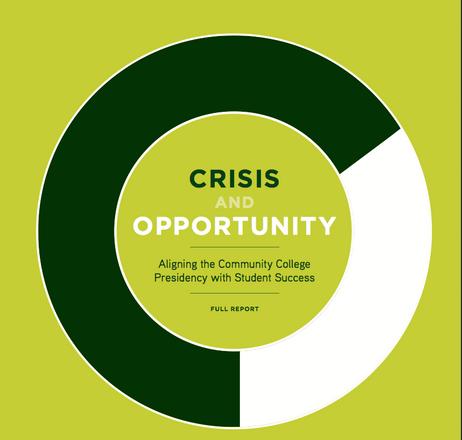
The new report, titled, “Crisis and Opportunity: Aligning the Community College Presidency with Student Success,” was released at a National Forum in Washington D.C. in June. The report details the challenges facing community colleges in the upcoming years as they work to keep their key leadership positions filled with qualified candidates. The report identifies some of the specific problems that could contribute to a presidential shortage of community college presidents nationwide. It also provides recommendations that community colleges can follow to ensure their leadership does not suffer from the loss of a large number of current presidents in the next few years.

This lengthy video from the Aspen Institute describes the report in detail.

Primary Concerns Over the Coming Leadership Shortage

According to a recent report at Inside Higher Ed, more than 40 percent of the current community college presidents may retire

. . .read more

California Community Colleges Boost Summer Programs, Thanks to More Funding

Updated
|
California Community Colleges Boost Summer Programs, Thanks to More Funding
After two dismal summers with few courses to choose from, California community colleges are back in action this summer with plenty of offerings for their students.

For several years, students at California community colleges have been unable to take advantage of the summer months to get ahead by taking a few extra classes. Budget cuts in recent years have forced many schools in the state to cut their summer offerings to a bare minimum, while a few have had to cut summer classes completely. Now, thanks to the passage of Prop 30, community colleges in the state are finding the money to beef up their summer course schedules, much to the delight of students hoping to spend their summer months deep in their studies.

Survey Shows More Classes on the Way

The Los Angeles Times reports on an informal survey conducted by the office of statewide Chancellor Brice W. Harris, which involved 70 California community colleges. The survey indicated that 67 percent of the community colleges in the state plan to increase their course offerings for the summer semester. Another 23 percent said they would offer the same number of classes they had on the schedule during the previous summer. Only 7 percent of community colleges in the state stated they planned to reduce the number of courses they would offer this summer.

Credit for the increases essentially goes to the passage of Proposition 30 last November, which granted a temporary increase in sales tax and income tax on the wealthiest residents in the state. The increased revenues are going directly to fund education, with about $210 million in addition

. . .read more

More Latinos are Heading to Community College, but Facing Challenges along the Way

Updated
|
More Latinos are Heading to Community College, but Facing Challenges along the Way
At the same time Hispanic students are enrolling in college in record numbers, class shortages at California community colleges are impeding their progress into higher education and the skilled workforce.

The good news is that more Latinos are headed to college today, whether they set their sights on a two-year or four-year institution. The bad news is that despite their lofty goals, many Latinos won’t make it to college completion. Some may face serious obstacles just getting into the door of higher education. With the Hispanic population increasing across the county, it may be up to community colleges to change the tide and provide the necessary training to reach their full earning potential.

First, the Good News

NBC Latino reports that a record number of Latino students are heading to college today. According to a recent Pew Hispanic Research Center analysis, seven out of every 10 Latino high school students enrolled in college in 2012. That number is higher than the rate of both white and black high school students. The dropout rate for Latino students was also cut in half – from 28 percent in 2000 to 14 percent in 2011.

According to the researchers who conducted the analysis, several possible factors could be attributed to the increase. First, Latino students may find that heading off for more education is more productive than searching for employment in a dismal job market. Another reason could be the increasing importance of the Latino community to higher education overall.

“The wider Latino community understands the importance of education for the future of education when it comes to advancing future generations,” Richard Fry, the leading author in the Pew

. . .read more

What are Community Colleges Doing with Labor Department Grants?

Updated
|
What are Community Colleges Doing with Labor Department Grants?
The article explores how community colleges are utilizing Labor Department grants, particularly the TAACCCT program, to develop workforce training programs. It highlights various initiatives across different states, focusing on industry-specific training and skill development in emerging sectors.

Three years ago, the U.S. Labor Department began issuing grants to community colleges that were ready and willing to train up the local workforce in their areas. Those schools that successfully partnered with area businesses to target training programs to the specific needs of employers were rewarded with federal funds to help them do so. Three years later, the Trade Adjustment Assistance Community College and Career Training Grant Program (TAACCCT) is still going strong, promising another $500 million to qualifying community colleges next year. What is the money being used for? Check out how community colleges are using these Labor Department grants to benefit students, colleges, and the local workforce.

This video features Vice-President Joseph Biden announcing the final round of Trade Adjustment Assistance Community College and Career Training (TAACCCT) grants to community colleges across the country.

The Massachusetts Consortium Offers Variety of Options

One of the federal grants has gone to a consortium of 15 community colleges across the state of Massachusetts, according to Inside Higher Ed. The $20 million in grant funding has been used to create new credentials for students and help them hone their job-seeking skills to create better opportunities after graduation. To that end, each community college in the consortium now staffs a career and college navigator full-time to help students succeed in school and beyond graduation.

The Massachusetts program has focused on preparing

. . .read more

Recent Articles

Test Article, Image and Content
Test Test Test Test Test Test Test Test Test Test Test Test Test Test Test Test Test Test Test Test Test Test Test Test Test Test Test Test Test Test Test Test Test Test Test Test Test Test Test Test Test Test Test Test Test Test Test Test Test Test Test Test Test Test Test Test Test Test Test Test Test Test Test Test Test Test Test Test Test Test Test Test Test Test Test Test Test Test Test Test Test Test Test Test Test Test Test Test Test Test Test Test Test Test Test Test Test Test Test Test Test Test Test Test Test Test Test Test Test Test Test Test Test Test Test Test Test Test Test Test Test Test Test Test Test Test Test Test Test Test Test Test Test Test Test Test Test Test Test Test Test Test Test Test Test Test Test Test Test Test Test Test Test Test Test Test Test Test Test Test Test Test Test Test Test Test Test Test Test Test Test Test Test Test Test Test Test Test Test Test Test Test Test Test
Faith Formation Integrated Across Subject Areas
Explore faith formation integrated across subject areas and its impact on curriculum, student outcomes, and community colleges.
Parish-Based Governance Models in Catholic Schools
Explore parish-based governance models in Catholic schools and their impact on leadership, funding, and community colleges.