Why Community College

Learn all about community college and whether it is the right choice for your academic career. We'll cover the history of community colleges, the latest trends and issues, and the top degree-producing schools. Find out why students are turning to community colleges, see what issues affect campuses with such a diverse student body, and get information on the latest trends in degree offerings.

View the most popular articles in Why Community College:

Special Challenges and Support for First-Generation Community College Students

Updated
|
Special Challenges and Support for First-Generation Community College Students
Many community college students are the first in their family to attend college, and this designation comes with its own share of responsibilities and challenges. Learn about the support available specifically for first-generation community college students.

First-generation college students face many challenges when they are the first in their family to head off to the ivied halls of higher education. While that first trip to a college campus can be exciting, it can also be filled with anxiety and uncertainty. These college students don't have anyone in their families to offer support and first-hand advice on succeeding in post-secondary education. However, these first-generation students are often much more successful in their academic endeavors when colleges understand and meet their needs during their first few weeks on campus and beyond. This article looks at some challenges first-generation community college students face and what schools can do to make the transition a little easier.

What is a First-Generation Student?

First-generation community college students are the first in their immediate family to attend postsecondary school after high school, according to a report at ERIC Digests. This means that neither of the student's parents has attended college. Those whose parents have an associate degree would not be considered first-generation college students, even if the parent never went on to earn a bachelor's degree. Many first-generation community college students decide to earn a two-year degree before transferring to a four-year institution. However, only a small percentage of community college students actually achieve their transfer goals.

Many first-generation students come to community colleges from different backgrounds and cultures. According to a report from the American Association of Community Colleges, approximately 36 percent of first-generation students

. . .read more

New Bachelor's Degrees Offered at Community Colleges

Updated
|
New Bachelor's Degrees Offered at Community Colleges
With more community colleges offering bachelor's degrees, the choices in getting a BA or BS are growing quickly. Learn about new bachelor's degrees you can obtain at community colleges, ranging from nursing to electrical engineering and every subject in between.

Community colleges have traditionally been focused on getting in, getting an associate degree in two years or less, and getting into the workforce as quickly as possible. Those who wanted to continue their education had to take on the headache of transferring all of their community college credits to a four-year institution. Today, a number of community colleges are offering bachelor's degrees to student who complete associate degrees and want to take their training and education to the next level - without leaving campus.

What's Different about Community College Bachelor's Degrees?

While many students are clamoring for a spot in a four-year community college program that costs much less than a similar degree from a nearby university, community colleges are stressing the point that they are not trying to be just like the four-year postsecondary institutions. First, most community colleges offering bachelor's degrees are doing so as an extension of their own associate degree programs. Students earn the associate degree first to become eligible to apply for the bachelor's program.

These bachelor's degrees will also differ from traditional university offerings because they will be limited to degree programs that can take students directly into the workforce. In keeping with the long-standing tradition of community colleges to raise up a new generation of work-ready adults, these programs are designed specifically with a profession in mind. Instead of offering liberal arts programs in political science or English, these bachelor's degrees will be in specific fields like

. . .read more

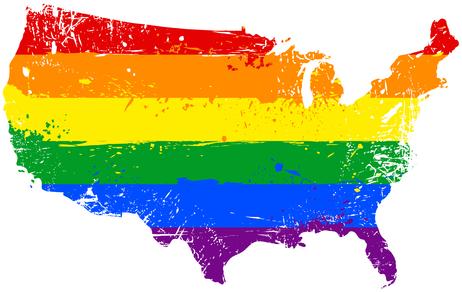
LGBT Studies Major: A First for Community Colleges

Updated
|
LGBT Studies Major: A First for Community Colleges
If you are interested in majoring in LGBT Studies, one community college is pioneering a LGBT program that will hopefully spark a growth in these programs on other campuses.

Community college students interested in LGBT studies, whether to obtain an associate degree or transfer to a four-year university, often found slim pickings in this area at most colleges nationwide. Schools that did offer courses in the subject often did so as part of their women's or English studies. However, one community college in San Francisco wants to be on the cutting edge of a whole new trend – by offering a major in LGBT studies that would be the first at any community college in the United States.

City College of San Francisco: LGBT Pioneer

City College of San Francisco is no stranger to firsts. According to a report in the Bay Area Reporter, this community college was the first to offer individual LGBT courses as far back as 1972. In 1989, the school established its own gay and lesbian studies department, the first of its kind in the United States. When Ardel Thomas, Ph.D., was brought on as chair of the department in 2006, one of her first orders of business was to begin the work involved with creating an LGBT major at City College.

"One reason we didn't put the major forward before is that up until recently there were no other programs you could actually go to," Thomas told the Reporter, citing the scarcity of LGBT major or minor studies at four-year universities. "Now, however, LGBT studies and queer studies are recognized internationally as a field of academia."

. . .read more

LGBT Support at Community Colleges

Updated
|
LGBT Support at Community Colleges
From scholarships to support programs, there are growing resources available at community colleges for LGBT support and encouragement.

Adjusting to college life is a difficult proposition for many high school graduates today. When you compound that challenge with the issues surrounding students of a sexual minority, the adjustment phase becomes even more complex. Many LGBT students face bigotry from peers and faculty, and hate crimes are unfortunately not uncommon for many of these young adults today.

The good news is that more colleges are reaching out to their LGBT community, providing them with support and resources to succeed in their post-secondary academic career. We will discuss a few of the hurdles that face colleges that want to provide support to the LGBT students, as well as some community colleges that have overcome those hurdles to give all their student body an equal shot at success.

Some Facts about Sexual Minorities on Campus

Sexual minorities are not an easy segment of the population for community colleges to address for a number of reasons. The first obstacle is the lack of data on just how many LGBT students might be residing on college campuses today. This is due to outdated information and the tendency for many LGBT students to hide their sexual identity from their teachers and peers. Even those who want to study the LGBT population may be hesitant to express their desires, due to a mistaken perception that they might also be gay. That stigma has affected the careers of many teachers in the field of education today.

Unfortunately, hate crimes are

. . .read more

Wiser and Older: The Movement to Enroll Community College Students Over the Age of 50

Updated
|
Wiser and Older: The Movement to Enroll Community College Students Over the Age of 50
Who says college is just for the 18 - 22 year old crowd? In fact, more community colleges are recruiting students over the age of 50 - and for good reason!

The current economic conditions of this country have resulted in more adults working well into their retirement years. Unfortunately, not every individual in this demographic is properly prepared to find success in a career in the later years of life. To help this sector of our population become more marketable and to utilize the resources of our older population to the fullest, the Plus 50 Initiative was developed. This initiative is designed to help Americans over the age of 50 train for new careers and piggyback on skills they already have to make them even more attractive in today's marketplace.

Purpose of the Plus 50 Program

The Plus 50 Initiative was started by the American Association of Community Colleges (AACC) to help adults in this age bracket find the best community college programs for their needs. The initiative, according to the website, provides benchmarks and showcases programs around the country that specifically cater to the over-50 learner. These campus programs are used for everything from preparing seniors for volunteer opportunities to offering training and retraining in specific career industries.

The initiative began in response to the realization that more than 78 million baby boomers are creeping into retirement age. Of that number, a large majority plan to work into their retirement years – either on a full-time or part-time basis. A significant number admit they do not feel ready for retirement from

. . .read more

Recent Articles

Test Article, Image and Content
Test Test Test Test Test Test Test Test Test Test Test Test Test Test Test Test Test Test Test Test Test Test Test Test Test Test Test Test Test Test Test Test Test Test Test Test Test Test Test Test Test Test Test Test Test Test Test Test Test Test Test Test Test Test Test Test Test Test Test Test Test Test Test Test Test Test Test Test Test Test Test Test Test Test Test Test Test Test Test Test Test Test Test Test Test Test Test Test Test Test Test Test Test Test Test Test Test Test Test Test Test Test Test Test Test Test Test Test Test Test Test Test Test Test Test Test Test Test Test Test Test Test Test Test Test Test Test Test Test Test Test Test Test Test Test Test Test Test Test Test Test Test Test Test Test Test Test Test Test Test Test Test Test Test Test Test Test Test Test Test Test Test Test Test Test Test Test Test Test Test Test Test Test Test Test Test Test Test Test Test Test Test Test Test
Faith Formation Integrated Across Subject Areas
Explore faith formation integrated across subject areas and its impact on curriculum, student outcomes, and community colleges.
Parish-Based Governance Models in Catholic Schools
Explore parish-based governance models in Catholic schools and their impact on leadership, funding, and community colleges.

Why Community College

OVERVIEW
What is a community college and why are more students turning to them? Who are some of the most famous community college graduates? Here you’ll find the answers to these questions and more.
TRENDS AND CURRENT ISSUES
Get information on the latest trends and issues affecting community colleges today. Explore the impact of community colleges on the global economy, get information on how community colleges have changed over the years, and see how the latest technologies are being employed on campus.
STUDENT POPULATIONS
Attracting students from all walks of like, community college campuses are rich with diversity. This section covers a myriad of issues relating to student populations. Learn more about LGBT support on community college campuses, explore adult-friendly degree programmers and, see what resources are available to veterans.
ENROLLMENT & ADMISSIONS
We provide a comprehensive look into some of the most important issues affecting enrollment and admissions. Get the latest news on declining enrollment across the country and the impact it has. Learn more about the latest trends in admissions requirements from vaccinations to placement tests. Find expert advice on what to expect your first year, and lean more about the pitfalls to avoid.